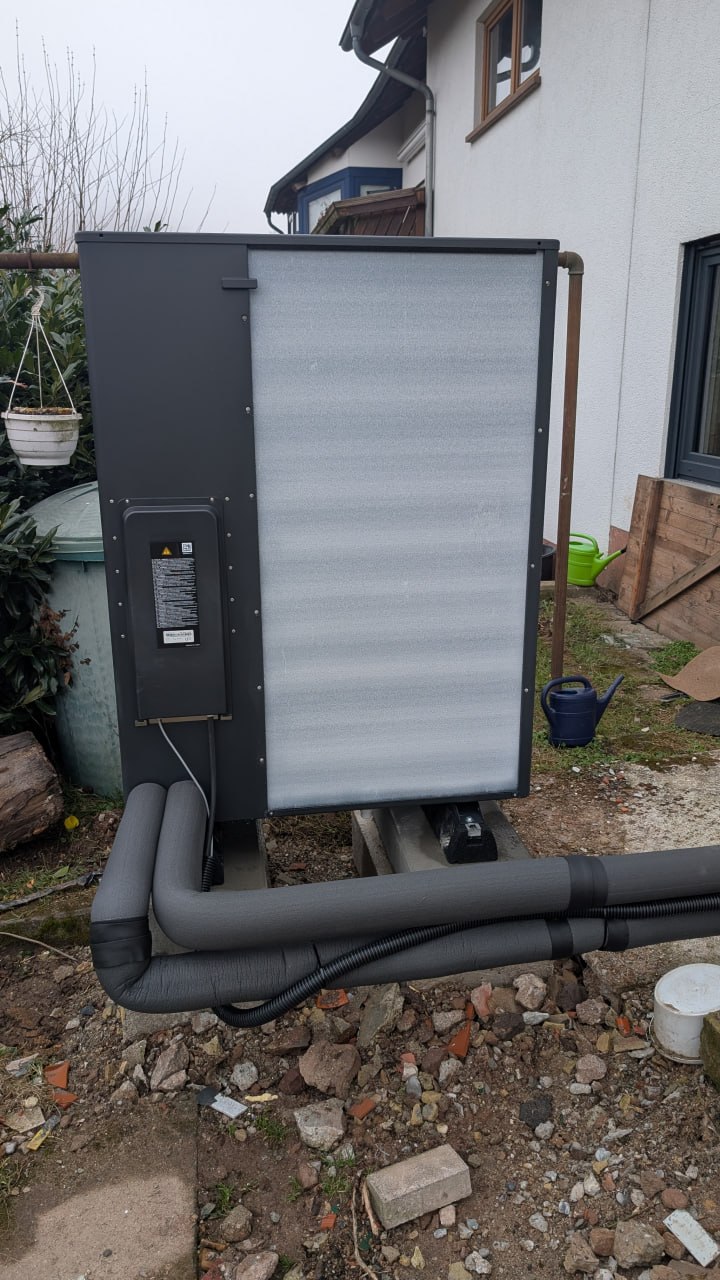
A heat pump is ecologically beneficial because it moves heat instead of creating it by burning fuel. That means it uses far less energy and usually emits much less CO2 than oil or gas heating. It also helps cut air pollution and becomes cleaner over time as the electricity grid uses more renewables.
Why It Matters
For homes, heating is often a major source of emissions. Switching to a heat pump can make a noticeable difference. In Germany, for example, heating is linked to a large share of CO2 emissions, and heat pumps are highlighted as an important step toward climate neutrality.
That's part of why we've been looking closely at how we heat our own home during the renovation. The choices we make now will shape both our comfort and our environmental footprint for years to come.
One Simple Example
If a gas boiler is replaced with a heat pump, the biggest ecological gain usually comes from avoiding combustion altogether. You get less CO2 and much cleaner local air at the same time. No smoke, no fumes, no fuel deliveries — just efficient heating drawn from the air around you.
It's not the only piece of the puzzle, but it's a meaningful one. And seeing the unit humming quietly outside our house makes the whole idea feel surprisingly real.

Shelby — A Life Less Traveled
Mom, renovator, beekeeper, and chief adventure planner. Writing about the messy, beautiful journey of building a life less ordinary.